We Webient Technologies Exploring the Potential of Virtual Reality, Mixed Reality, and
Augmented Reality
At Webient, Our are excited to be at the forefront of the virtual reality, mixed reality, and augmented
reality revolution. With a dedicated core team working in these fields, we believe that these technologies
have enormous potential to transform a wide range of industries and fields.
Virtual reality, mixed reality, and augmented reality are all closely related technologies that enable users
to interact with digital environments in unique and immersive ways. These technologies can be used to create
realistic simulations of real-world environments, enhance training and education programs, and provide new
forms of entertainment.
At Webient we have been exploring a range of different applications for these technologies. One area of
focus has been in the development of equal reality solutions. These are applications that use virtual
reality to provide users with a more immersive and engaging way to experience equality and diversity. By
simulating scenarios where individuals may experience discrimination, these applications can help to raise
awareness and promote empathy.
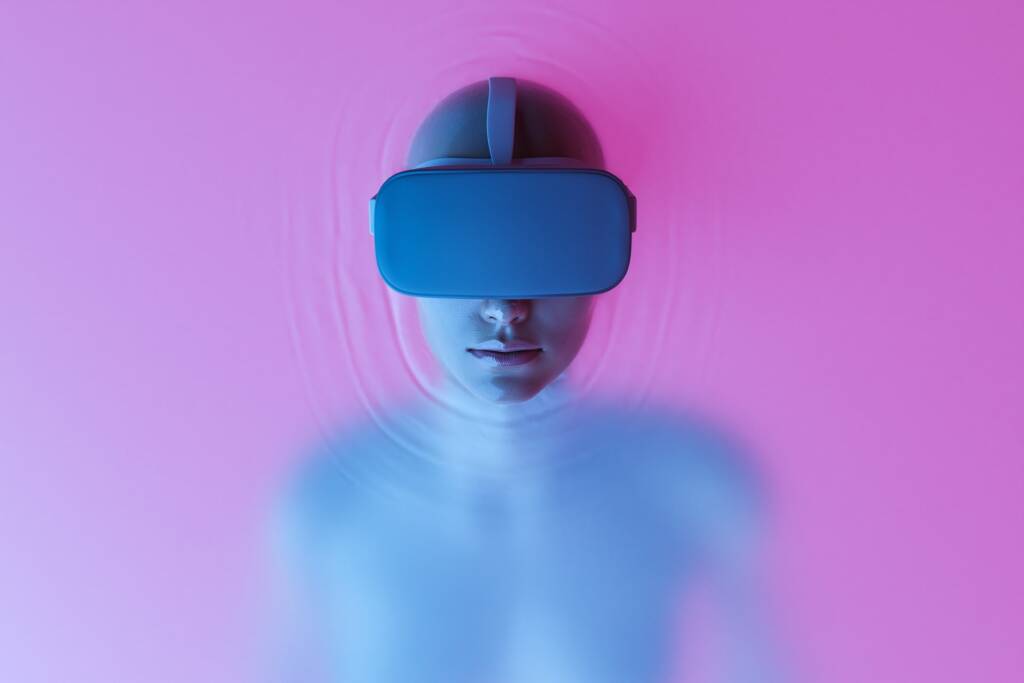
The first step in any virtual reality project is to develop a concept for the experience that you want to create. This might involve brainstorming ideas, developing a storyline or scenario, or identifying the goals and objectives for the project.
Once you have a concept in mind, the next step is to design the virtual environment. This might involve creating 3D models of objects, designing textures and materials, and creating animations or visual effects. In some cases, it may be necessary to create a physical set or props that can be used in conjunction with the virtual environment.
The development phase involves creating the software and programming that powers the virtual reality experience. This might involve using game engines like Unity or Unreal Engine, or creating custom software using programming languages like C++ or Python.
Once the virtual reality experience has been developed, it's important to test it thoroughly to ensure that it works as intended. This might involve testing for bugs or glitches, checking for usability issues, and getting feedback from users to identify areas for improvement.
After the virtual reality experience has been tested and refined, it's ready for deployment. This might involve distributing the experience through virtual reality headsets like the Oculus Rift or HTC Vive, or through mobile devices like smartphones or tablets.
Even after the virtual reality experience has been deployed, it's important to continue to maintain and update it. This might involve fixing bugs, adding new features or content, or optimizing performance for different devices or platforms.
Finally, we have been exploring the potential of augmented reality in a range of different contexts.
Augmented reality involves overlaying digital information onto the real world, using devices such as
smartphones or smart glasses. This technology can be used to enhance the user experience in a range of
different settings, from providing real-time information about products in a retail environment to creating
interactive educational experiences.
Overall, we believe that virtual reality, mixed reality, and augmented reality have enormous potential in
the upcoming era. At Webient Technologies, we are committed to pushing the boundaries of these technologies
and creating innovative solutions that enable people to interact with digital environments in exciting and
engaging new ways.